Consecration Ceremony
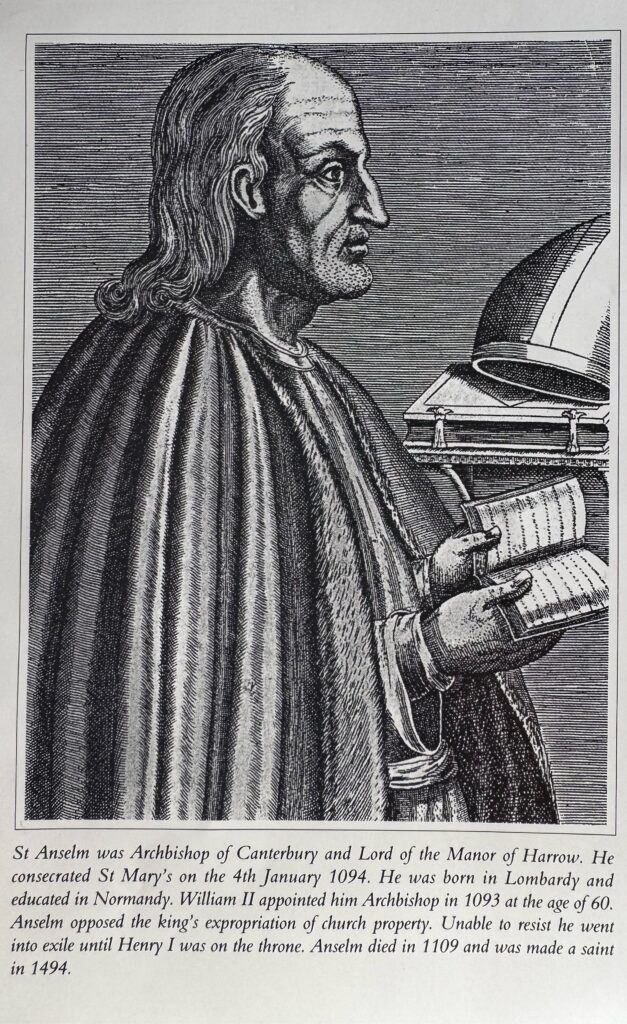
On 4th January 1094 Anselm the Archbishop of Canterbury and his party gathered to walk up the Hill and to consecrate the new church devoted to the St Mary. The foundational stone had actually been laid previously in 1087. The consecration was almost stopped completely by the Bishop of London who thought it was his job alone to consecrate churches in the London diocese. In fact, the Bishop cunningly sent a secret agent disguised as one of Anselm’s party to sabotage the event. The agent stole the flask of holy oil without which the consecration could not take place and raced off into inner London. Anselm’s men chased after the agent and found the flask hiding under his cloak. Anselm quickly forgave this deviant behaviour and with the holy oil now recovered the consecration ceremony progressed.
Rebuilding the Church
Not much of the original building remains today except lower parts of the tower. Around 1200 a major rebuilding programme had begun. The chancel, where the choir now sits, was constructed along with the notable north and south transepts. The builders then had to pause for 25 years. King John would not accept the Pope’s selection for Archbishop of Canterbury. The Pope responded by banning all church services apart from baptisms and burials. In 1213 King John relented and recognised Stephen Langton as the Archbishop. Langton and the barons then forced King John to sign the Magna Carta in 1215. King John changed his mind and civil war followed however he died in 1216 as he prepared to march. At St Mary’s, work on the nave appears to have restarted when Elias of Dereham was appointed rector in 1234. The early church was then completed around 1240 with the remodelling of the transept arches to match the nave. In 1324 the rector, William de Bosco, founded an interior chapel to honour the blessed Virgin Mary. It is suggested that this was over the south porch. A small room is still there today at the top of the staircase with Norman traits.
Transformation of the Building
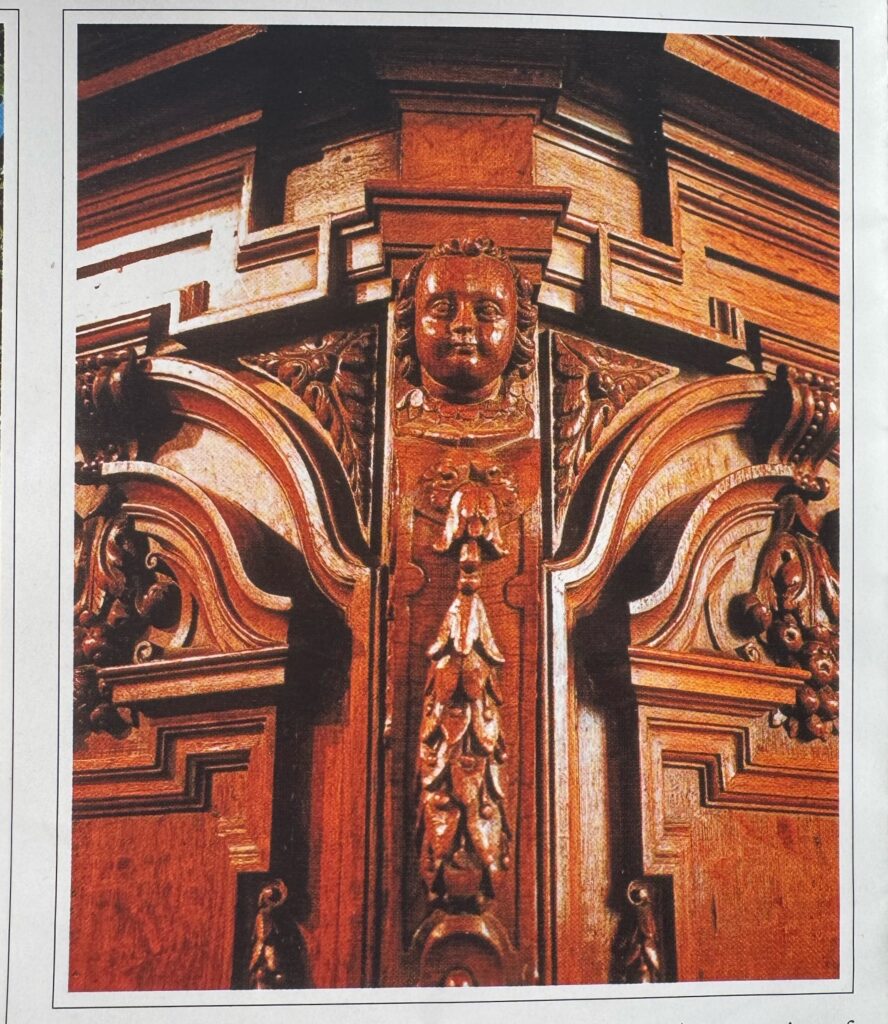
John Byrkhede was appointed rector in 1437. He was a talented builder who transformed St Mary’s noticeably. He removed the nave roof, blocked up the 13th century windows, raised the walls and inserted new windows with perpendicular tracery in the aisles and the clerestory above the arches. Byrkhede built the south porch and the magnificent roofs over the nave and transepts which have hundreds of intricate wooden carvings. He raised the tower and topped it off with the now famous Harrow spire. The community of Harrow had barely gotten used to their magnificent new church when the War of the Roses broke out in 1455.
Victorian Refurbishment
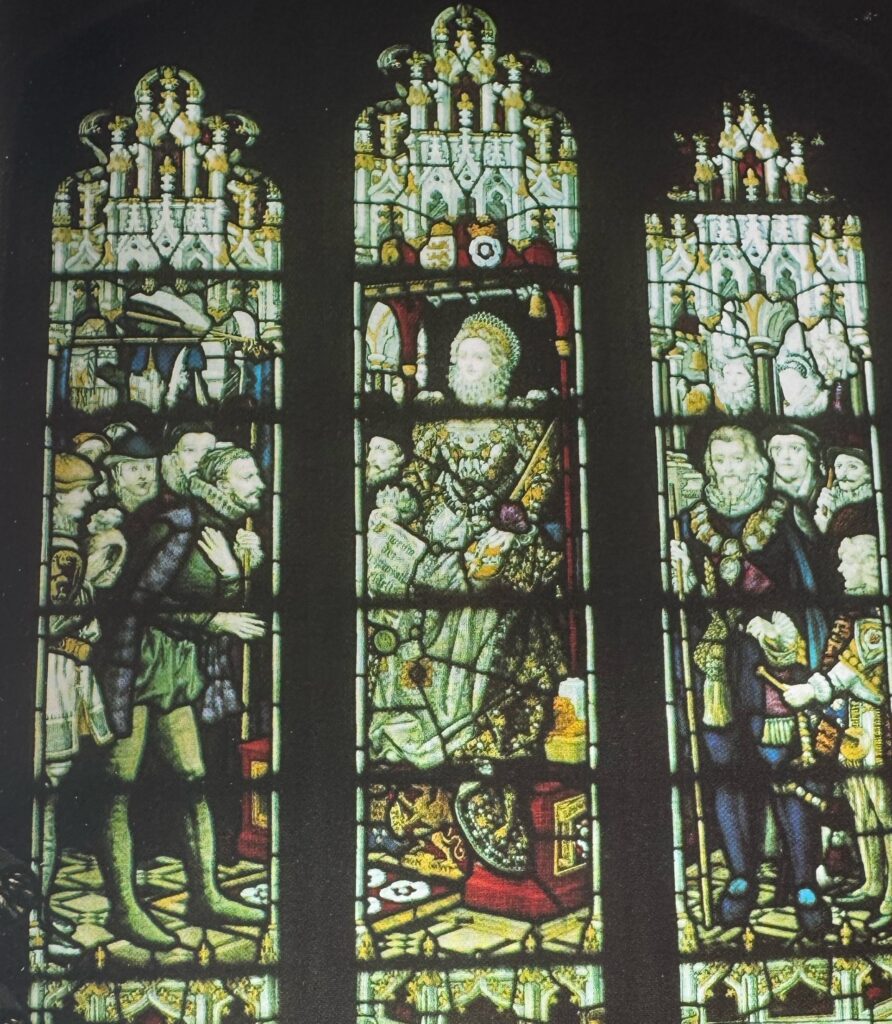
By the end of the 18th century the church had fallen into disrepair. It was not until 1846 that George Gilbert Scott was tasked with completely restoring St Mary’s. He refaced the exterior with flints. He built new parapets and replaced the north porch with stone. The chancel was extensively rebuilt and the vestry rooms were added. The entire interior was renovated and deeply cleaned. The oak benches installed at this time are still used by the congregation today.