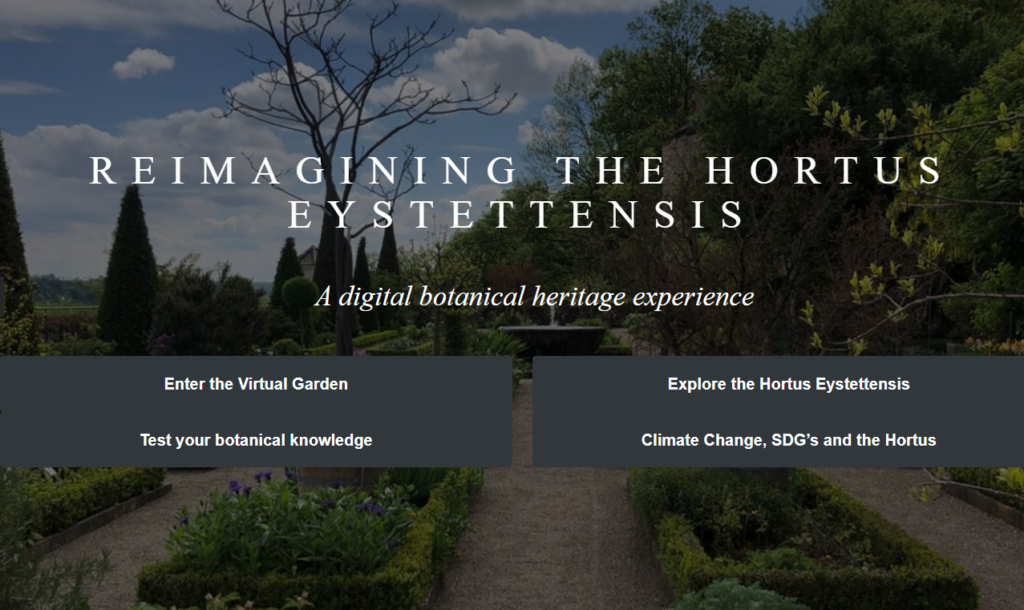
Reimagining the Hortus Eystettensis
A digital botanical heritage experience
The Hortus Eystettensis – History, Heritage and Signficance
The Hortus Eystettensis is a remarkable 17th‑century plant catalogue created to document the diverse botanical garden once located on the Willibaldsburg. Its modern reconstruction, the Bastionsgarten, brings many of these historic plants back to life. This exhibition introduces visitors to both the book and the garden and presents a digital environment that allows the heritage to be experienced online.
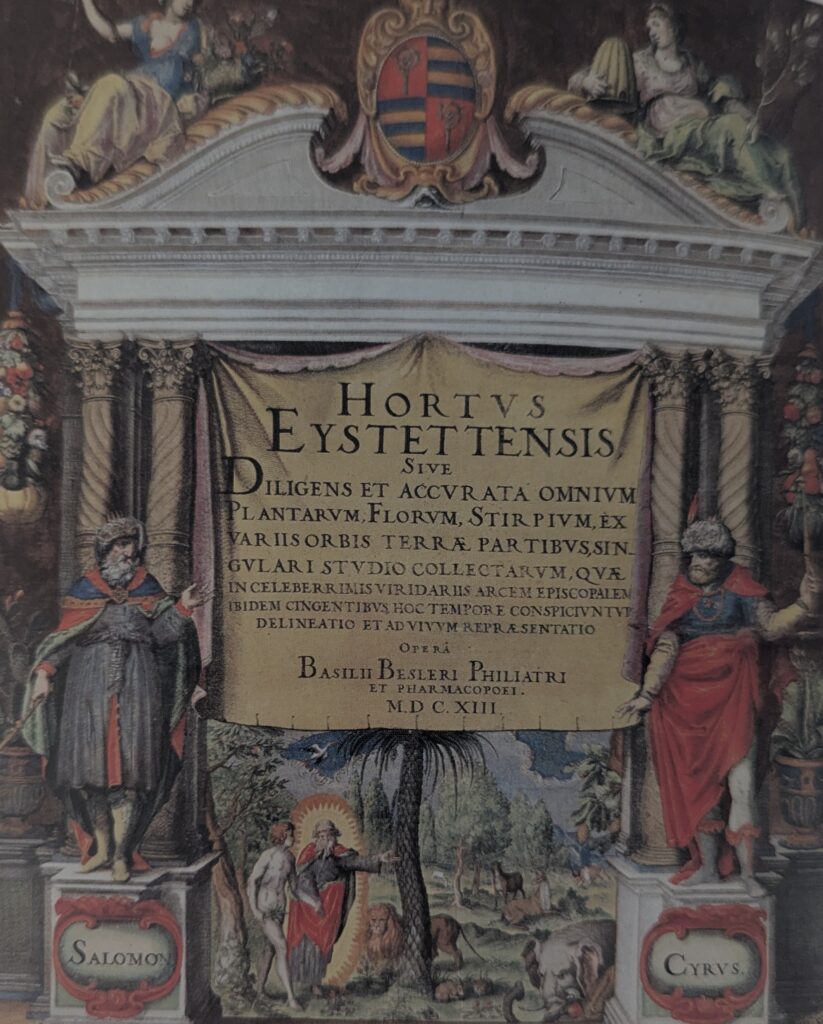
Hortus Eystettensis, Sive Diligens Et Accurata Omnium Plantarum, Florum, Stirpium, Ex Variis Orbis Terrae Partibus, Singulari Studio Collectarum Quae In Celeberrimis Viridariis Arcem Episcopalem Ibidem Cingentibus, Hoc Tempore Conspiciuntur Delineatio Et Ad Vivum Repraesentatio
The unshortened title of the Hortus Eystettensis
Late 16th century
The Garden is created
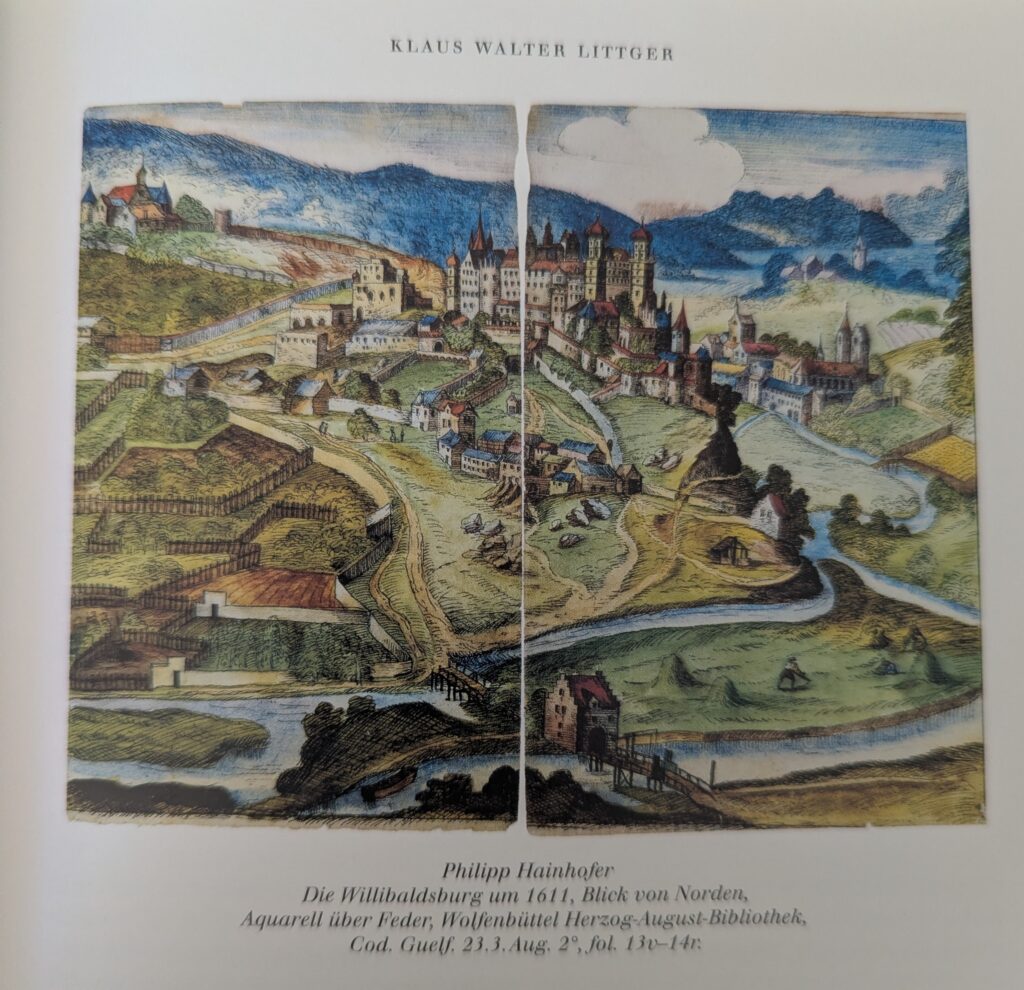
Prince-Bishop Johann Conrad von Gemmingen created an ambitious botanical garden in Eichstätt (Germany). It brought together plants from many regions and reflected the curiosity and scientific spirit of his time.
1613
The first edition of the “Hortus Eystettensis” is published
In 1613, this garden was transformed into a book: Basilius Besler documented the plants in detailed copperplate engravings, which were illustrated, creating one of the most impressive botanical works of the early modern period. The Hortus Eystettensis captured the garden’s diversity and seasonal rythms (spring, summer, autumn, winter) preserving this rich garden.
1618 – 1648
The Garden is destroyed and later neglected
During the Thirty Year’s War the garden is severly damaged and faces persistent neglect. This leads to the garden’s decay and it falls increasingly into oblivion. Some researchers classify it as one of the so-called “lost historic gardens”(Antje Peters-Reimann)
1998
The Garden reopens
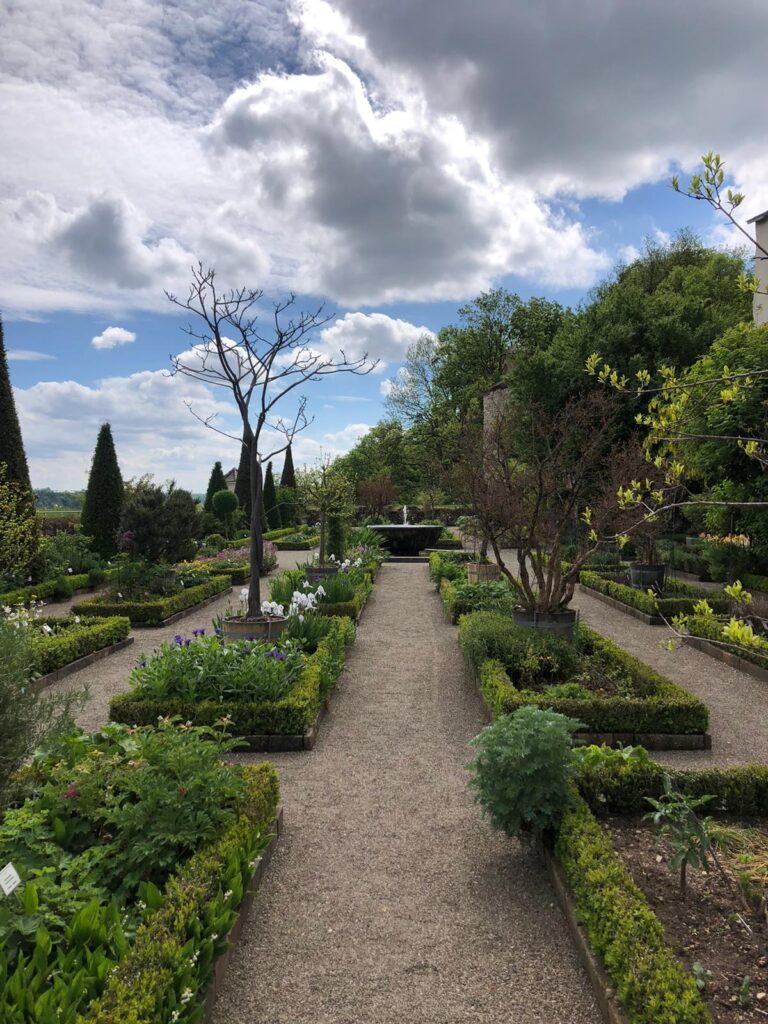
Centuries later, in 1998, a new garden is created on the Willibaldsburg in Eichstätt, inspired by Beseler’s work. Thsi was made possible through the “Bayerische Schlösserverwaltung”. Its planting design follows the seasonal flowering patterns shown in the book, allowing visitors to experience a modern interpretation of the historical garden. No other plants than those listed in the compendium are allowed.
TODAY (2026)
Reimagining the Hortus Eystettensis
Unique duality:
- a historical book “The Hortus Eystettensis” that records the garden from the past
- a living garden “The Bastions Garden” that preserves this heritage as a reconstruction of the historical garden in the present
Bringing these two worlds together digitally makes it possible to explore the Hortus Eystettensis in a new way – connecting the bontanical illustrations and knowledge, the cultural landscape heritage and today’s environmental challenges in one accessible experience.